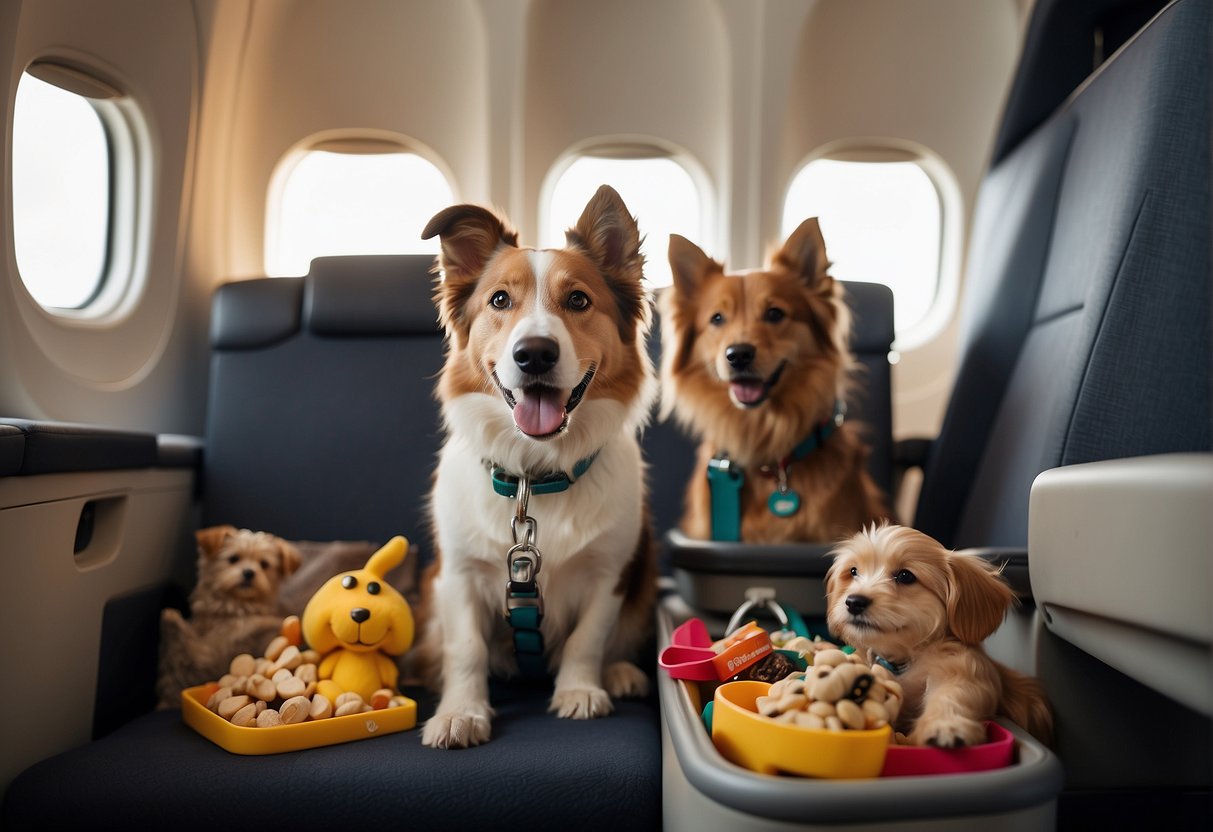

A career as a flight nanny for dogs blends a love for animals with the thrill of travel, offering a unique service in the pet transportation industry. As a flight nanny, your role is essential in ensuring the safety and comfort of pets during air travel, often on behalf of breeders, rescue organizations, or new pet owners. This service has grown in demand as people increasingly seek specialized care for their pets’ travel needs, providing an opportunity for those with a passion for animals and customer service to enter a fulfilling and growing field.

The journey to becoming a flight nanny involves more than just a love for dogs; it requires a commitment to understanding the logistics of pet transportation, as well as an awareness of the responsibilities involved. Handling pets with care, navigating air travel regulations, and managing the logistics of flight itineraries are all part of the job. Meanwhile, establishing trust with clients is essential, as they are entrusting their beloved pets to your care. The financial rewards can be appealing, but the real satisfaction comes from ensuring a safe, stress-free travel experience for the animals and peace of mind for their owners.
Key Takeaways
- Becoming a flight nanny offers a unique blend of travel and animal care as a career choice.
- Mastery of pet transportation logistics and safety regulations is critical for success.
- Effective communication and relationship-building with clients are crucial elements of the job.
Understanding the Role of a Flight Nanny
A flight nanny for dogs is a specialized caregiver who ensures the safe and comfortable travel of pets, specifically dogs, by air. Your job would be to act as a guardian and caretaker for dogs during flight, ensuring that they reach their new families securely.
Responsibilities and Duties
Your primary responsibility as a flight nanny is to care for dogs while they travel by air. This includes:
- Meeting Arrangements: Coordinating with pet breeders or owners to pick up the dog(s) and comprehending all the necessary care instructions.
- Travel Preparation: Ensuring that all travel documentation for the pets is in order and that the dogs are ready for the flight, which may include proper kennels and familiar items to comfort them.
- In-Flight Care: Actively monitoring and addressing the dogs’ needs throughout the flight, including feeding, hydration, and stress reduction.
- Delivery: Safely handing over the dog to its new owner, with reports on the dog’s condition and behavior during travel.
Qualities of a Successful Flight Nanny
To succeed in this role, certain qualities are essential:
- Love for Animals: A genuine affection for dogs is crucial since you’ll be their source of comfort and care during a potentially stressful experience.
- Patience and Adaptability: Each dog will have its unique personality and needs. Your patience helps you to calmly deal with unexpected challenges and changes in travel plans.
- Knowledgeable: Continuous learning about pet care, health, and aviation regulations helps you provide the best service possible.
- Responsible: A deep sense of responsibility will ensure that you treat each pet’s welfare as a priority.
By embodying these qualities and embracing the varied duties, you become a vital link connecting dogs with their new families through safe and nurturing travel experiences.
The Logistics of Pet Transportation via Flight
When transporting pets, especially dogs, via flight, you must navigate a complex network of airline regulations and safety protocols. Your role will include booking and preparing for flights, as well as guaranteeing a safe and comfortable experience for the dogs during the journey.
Airline Regulations and Safety Protocols

Each airline has specific regulations regarding pet transportation to ensure safety for all passengers, including animals. It’s imperative to:
- Check individual airline policies for pet travel, including breed and size restrictions, required health certifications, and approved travel crates.
- Understand and comply with the TSA security requirements for pets and their carriers to facilitate a smooth transit through airport security checkpoints.
Booking and Preparing for Flights
Preparation is key to a successful flight when transporting dogs. Here’s how:
- Book the flight well in advance, ensuring availability for the dog within the passenger cabin or cargo area, if applicable.
- Acquire an airline-approved travel crate, and familiarize the dog with it to reduce anxiety during the flight.
- Ensure that all necessary airline regulations forms and health records are in order to avoid any last-minute complications at the airport.
During the Journey
The flight itself requires vigilance and a focus on safety and comfort for your canine charge. Keep in mind:
- Monitoring the dog’s behavior and stress levels, providing reassurance and care during the air travel.
- Adhering to airline safety protocols, such as securing the dog and its carrier properly, especially during takeoff, landing, and turbulence.
- Providing timely pet transportation updates to the dog’s owner, ensuring peace of mind about their pet’s status throughout the flight.
Building Your Profile as a Flight Nanny

To become a sought-after flight nanny for dogs, you must develop a professional profile that showcases your experience, credentials, and ability to connect with clients. This involves hands-on experience, relevant certifications, and a strong online presence.
Gaining Experience
Your first step is to gain practical experience in animal care. Volunteer at local shelters or work with pet transportation companies. You should be comfortable handling dogs of all sizes and temperaments. Document your experiences, as they will form the foundational layer of your profile.
- Volunteer Work: Local animal shelters, rescue organizations
- Professional Experience: Pet transportation companies, veterinary clinics
Obtaining Certifications and Training
Enhance your credibility by obtaining certifications. Look for training programs that focus on animal behavior, pet first aid, and pet travel safety regulations. Ensure these programs are recognized by reputable accreditation bodies. Here’s an insightful article to understand the importance of certifications and how to become an air nanny.
- Certifications to Consider:
- Pet First Aid
- Animal Behavior Courses
- Pet Travel Safety Regulations
Creating an Online Presence
A robust online profile allows you to reach potential clients. Create a professional website that includes your services, testimonials, and a blog with helpful tips for pet travel.
- Website Components:
- About Page: Your experience and qualifications
- Services Offered: Include detailed descriptions
- Testimonials: Build trust with prospective clients
- Contact Information: Ensure you are easily reachable

Use social media platforms to share your journey as a flight nanny and communicate directly with your audience. Regular posts and interactions will establish your reputation as a knowledgeable and reliable flight nanny.
Financial Aspects of Being a Flight Nanny

As a flight nanny for dogs, your financial success depends on setting appropriate fees and diligently managing your income and expenses.
Determining Your Fee
Breeder partnerships: Often, breeders require the services of a flight nanny to safely transport puppies to their new homes. When determining your fee, consider the breeders’ budget as they may provide a consistent stream of work and may be willing to negotiate a fixed quote for repeated services.
- Market Rates: Researching the prevailing market rates is crucial. Fees can vary greatly depending on the distance, demand, and specific needs of each job.
- Value-Added Services: Factor in any additional services you offer, such as feeding and cleaning, and adjust your quote accordingly.
Managing Income and Expenses
Record Keeping: Keep accurate records of all income and expenses. This is vital for tax purposes and provides you with a clear financial picture of your operations.
-
Type of Costs: Your primary expenses as a flight nanny will typically include:
Expense Category Description Travel Flights and other transportation costs to and from the destination. Supplies Essential items for the care of the dogs during travel, such as leashes, food, and cleaning supplies. Insurance Liability and any additional insurance coverages to protect against unforeseen events during transit. Marketing Advertising your services, such as website maintenance or online ads. -
Financial Planning: Regularly review your financials to ensure profitability. Adjust your fee structure if necessary to cover increases in costs or to respond to market changes.
Client Relations and Communication


In becoming a flight nanny for dogs, your ability to understand and communicate with the clients – the dog owners – is critical. Your role extends beyond merely transporting the pets; you act as a liaison ensuring peace of mind throughout the pets’ journey.
Understanding Client Needs
To ensure the comfort and safety of the dogs you’re responsible for, you must first understand the specific needs and concerns of their owners. Each client may have unique requirements regarding their pet’s:
- Diet: Be clear on meal schedules and dietary restrictions.
- Health: Ask for any medical conditions or medications.
- Behavior: Inquire about the pet’s temperament and habits during travel.
- Comfort items: Confirm if the pet has a favorite toy or blanket that eases stress.
Effective Communication with Owners
Effective communication with owners is vital to establish trust and ensure a seamless experience.
- Pre-Journey: Confirm all details in advance. Provide owners with a detailed itinerary and emergency contact information.
- During Transit: Regular updates can ease an owner’s anxiety. An occasional text or photo can go a long way.
- Post-Journey: Once the pet is safely delivered, provide a summary of the trip, any issues encountered, and how they were handled.
Additional Considerations for Flight Nannies

Becoming a flight nanny for dogs involves more than just the love for animals and the ability to travel. You need to strategically manage travel logistics and prioritize self-care to ensure you can provide the best service for your furry clients.
Managing Layovers and Scheduling
When arranging your flights, consider the length of layovers and the total travel time to minimize stress for the dogs. Adequate planning ensures:
- Sufficient Rest: Choose layovers that allow for pet relief and a chance for you to rest.
- Stable Schedule: Aim for direct flights when possible to reduce the likelihood of unexpected delays.
To keep your canine clients comfortable during layovers:
- Know pet relief area locations in airports.
- Have a list of necessary items, like toys and snacks, to keep the dog engaged and calm.
The Importance of Self-Care on the Job
Ensure that you take care of your own needs during the journey. This includes:
- Hydration and Nutrition: Keep water and snacks handy to maintain your energy levels.
- Comfort: Dress in layers and wear comfortable shoes, as you might be standing or walking for extended periods.
By attending to your well-being, you maintain a professional demeanor and readiness to handle your responsibilities efficiently.
Conclusion: The Rewards of Being a Flight Nanny

Embarking on a career as a flight nanny for dogs presents a unique blend of challenges and gratifying experiences. Your role in ensuring safe and comfortable travel for pets will not only give you a sense of professional accomplishment, but provide comfort to the animals in your care and joy to their awaiting families.
Professional SatisfactionYou’ll find that this occupation offers more than just a job—it’s a fulfilling career where your love for animals meets your professional aspirations. Every successful journey represents a personal achievement, knowing you’ve made a difference in the lives of both the pet and its owner.
Joy in Reuniting FamiliesWitnessing the elation of pet owners as they welcome their new companions is profoundly moving. The smiles and heartfelt thanks you receive reinforce the rewarding nature of your work.
- Personal Growth
- Responsibility
- Adaptability
Travel OpportunitiesExploring new destinations becomes part of your routine, offering a dynamic work environment. You will become well-versed in the intricacies of pet travel, enhancing your expertise in this niche field.
CompensationBeyond the emotional rewards, the financial aspect of being a flight nanny is equally important. You’ll earn a competitive wage that reflects your specialized services and commitment to animal care.
In sum, becoming a flight nanny for dogs combines the heartfelt comfort you provide to pets in transit with the fulfillment of a career dedicated to the wellbeing of animals. This path not only offers a way to earn a living, but also enriches your life with unquantifiable rewards.
Frequently Asked Questions

Becoming a dog flight nanny requires understanding certain specifics about the role, including the prerequisites for the job, expected earnings, and how to navigate the industry standards.
What are the requirements to become a dog flight nanny?
To become a dog flight nanny, you typically need a love for animals, excellent communication skills, the ability to travel extensively, and a flexible schedule. Familiarity with airline pet policies and pet first aid can be beneficial.
What is the average salary of a pet flight nanny?
The average salary of a pet flight nanny varies based on the number of trips and contracts but typically ranges from part-time supplemental income to potentially a full-time equivalent salary if consistent gigs are secured.
How can I find flight nanny jobs for transporting dogs?
To find flight nanny jobs, you can start by networking in pet travel forums, attending pet industry trade shows, and reaching out to breeders who may require your services. Online platforms and pet transportation companies may also offer listings for flight nanny opportunities.
What does the job of a dog flight nanny entail?
As a dog flight nanny, your job involves accompanying pets on flights, ensuring their comfort and safety throughout the travel process, and safely delivering them to their owners or breeders at the destination.
Is USDA certification required to become a dog flight nanny?
While USDA certification isn’t universally required for individual flight nannies, having it can enhance your credibility and may be necessary for working with certain pet transport companies or on some international routes.
Are there standard tipping practices for dog flight nannies?
There are no established standard tipping practices for dog flight nannies. However, clients may offer tips at their discretion based on the level of service and care provided.

Guiding SEO strategies for nationwide pet transportation services. With a wealth of experience in marketing, committed to showcasing safe and reliable pet transport options across the USA.