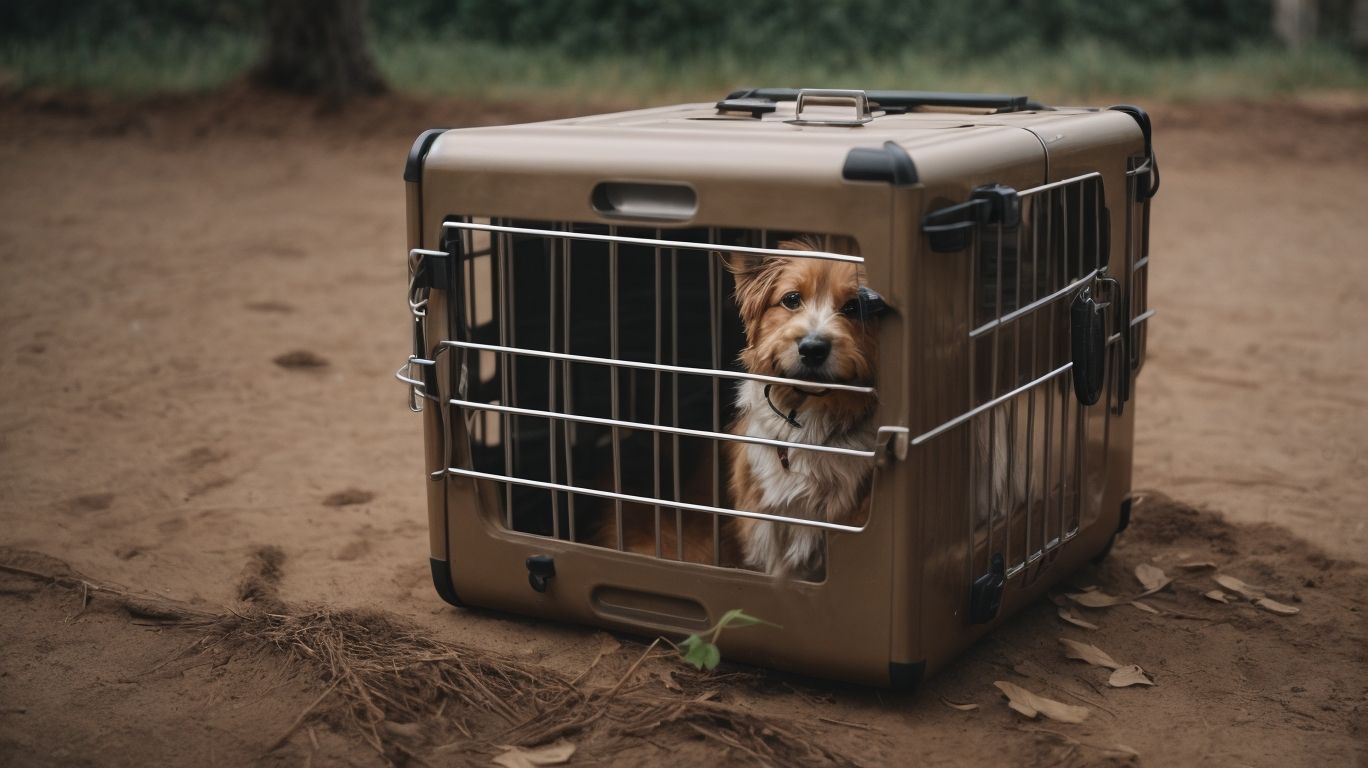


In today’s globalized world, many pet owners may find themselves faced with the need to transport their beloved furry companions across great distances. Whether it’s a long-distance move, a family vacation, or a relocation for work, the logistics of pet shipping can be complex and overwhelming. But fear not, as we have compiled a comprehensive guide to help you navigate the ins and outs of shipping pets.
From understanding the various options available for pet shipping to considering the important factors and preparing your pet for the journey, this guide covers it all. We’ll delve into the specifics of airline pet shipping, explore the guidelines and considerations for ground transportation, and provide valuable insights into the costs and expenses associated with pet shipping. We’ll address common questions and concerns through an FAQ section, and offer tips for finding reputable pet transporters and preparing for your pet’s arrival at their destination. Whether you’re considering shipping your pet for the first time or seeking to enhance your knowledge on the topic, this guide is designed to be your go-to resource for all things related to pet shipping.
Key Takeaways:
Shipping pets involves the transportation of animals, such as dogs or cats, from one location to another, typically over a long distance. This comprehensive guide aims to provide all the necessary information and guidelines for safely and efficiently shipping pets.
When considering shipping pets, it is essential to explore the variety of transportation methods available, ensuring the safety and comfort of the animals during the journey. Some common methods include air travel, ground transportation, and specialized pet transport services.
Regulations related to pet shipping vary between countries and even states, which underscores the importance of thoroughly researching and understanding the specific requirements and restrictions involved. From health certificates to carrier specifications, every detail must be meticulously addressed to facilitate a smooth and stress-free shipping process.
Before you embark on the journey of shipping your beloved pets, there are several crucial considerations to contemplate. Factors such as the pet’s health and age, the duration of the journey, and any special needs or accommodations they may require must be taken into account. Working closely with experienced professionals in the pet shipping industry can offer invaluable guidance and support, ensuring that all aspects of the process are managed with expertise and care.
Understanding Pet Shipping
Understanding pet shipping encompasses the various aspects involved in transporting animals, ensuring their safety and well-being throughout the journey.
Options for Pet Shipping

Pet shipping offers various options, including air transportation with airlines, ground travel, and specialized services provided by pet transporters and breeders.
In terms of airline travel, many commercial airlines offer pet shipping services. They have specific regulations and requirements for pet transport, including crate specifications, temperature restrictions, and health documentation.
Ground transportation for pets includes services like pet taxis, pet relocation companies, and private pet transporters. This option can be ideal for shorter distances and can also offer a more personalized approach.
Additionally, professional services provided by pet transporters and breeders specialize in catering to the unique needs of different pet breeds. From familiarizing pets with travel crates to handling all necessary paperwork and requirements, these professionals offer comprehensive support for pet shipping.
Considerations for Pet Shipping
When considering pet shipping, factors such as the pet’s breed, health, and comfort during travel should be carefully evaluated to ensure a smooth and safe transportation experience.
Each breed has specific needs and characteristics that can impact their travel requirements. For example, short-nosed breeds such as pugs or bulldogs may have breathing difficulties, which should be considered when planning their journey. It’s essential to check with the airline or pet shipping service to understand the specific health requirements and restrictions for each breed.
Ensuring the pet’s comfort during travel is crucial. This involves providing a well-ventilated and appropriately sized crate or carrier, familiar bedding, and access to water and food. Understanding and fulfilling these needs can help reduce the pet’s stress and ensure a more pleasant travel experience. It’s advisable to acclimate the pet to the carrier before the journey to minimize uneasiness during transportation.
Airline Pet Shipping
Airline pet shipping involves the transportation of pets via commercial airlines, offering a convenient and efficient method for long-distance travel with animals.
How Airline Pet Shipping Works

The process of airline pet shipping involves booking pet travel, ensuring proper crate requirements, and adhering to airline-specific regulations for transporting animals.
When booking pet travel, it’s important to inform the airline in advance about your intention to transport a pet. This allows them to provide necessary guidance and ensure that all requirements are met.
Next, ensuring proper crate requirements is essential. Airlines typically have specific guidelines for pet crates, including size, material, and ventilation. It’s crucial to adhere to these specifications to ensure the safety and comfort of the pet during the journey.
Each airline has its own set of regulations for transporting animals. This may include health documentation, vaccination records, and specific check-in procedures. Understanding and complying with these regulations is crucial for a smooth and successful pet shipping experience.
Regulations and Requirements
Airline pet shipping is governed by specific regulations and requirements set forth by airlines, as well as industry standards to ensure the safety and comfort of pets during air travel.
When considering airline pet shipping, it is crucial to adhere to the policies and guidelines established by each airline. These regulations cover various aspects, such as the type of pets allowed, crate requirements, necessary health documentation, and booking procedures.
There are legal considerations that pet owners need to be aware of, including compliance with import/export regulations of the destination country and specific permits or certificates that may be required.
Ground Transportation for Pets
Ground transportation for pets offers an alternative to air travel, providing a reliable and comfortable means of transporting animals over land.
Guidelines for Ground Transportation

Ground transportation for pets requires adherence to specific guidelines to ensure the safety, comfort, and well-being of animals during the journey.
When preparing for ground transportation of pets, it’s crucial to choose a pet-friendly vehicle with adequate space for your pet to move comfortably. Securing pets with appropriate restraints or carriers is essential to prevent accidents and ensure their safety. Ahead of the journey, pets should be familiarized with the vehicle and crate, minimizing stress during travel.
It’s essential to research local and interstate pet travel regulations and ensure compliance with necessary documentation and permits.
Choosing a Reliable Pet Transporter
Selecting a reliable pet transporter is crucial for ensuring the secure and efficient transportation of animals, requiring thorough research and evaluation of available pet transport services.
One of the primary criteria for choosing a trustworthy pet transporter is their reputation in the industry. It’s essential to research the company’s background, experience, and track record in handling animal transportation. Assessing the safety protocols employed by the transporter is paramount. This includes evaluating the conditions of their vehicles, ventilation, temperature control, and security measures during transit.
Customer reviews and testimonials provide valuable insights into the quality of service offered by a pet transporter. Reading through experiences shared by other pet owners can offer a glimpse into the provider’s reliability, care for animals, and overall satisfaction of the customers.
Preparing Your Pet for Shipping
Preparing your pet for shipping involves essential health and safety precautions, as well as acclimatizing the animal for the upcoming travel experience.
Health and Safety Precautions
Ahead of shipping, ensuring the health and safety of pets is paramount, requiring veterinary checks, vaccinations, and adequate preparation for the journey.
Veterinary checks should be conducted to ensure that the pet is fit for travel and complies with the regulations of the destination country. Obtaining the necessary travel vaccinations is essential to protect the pet from potential diseases.
Adequate preparation involves providing a comfortable and secure travel crate, familiarizing the pet with the crate, and packing sufficient food, water, and any medications the pet may need during the journey.
Acclimatizing Your Pet for Travel
Acclimatizing pets for travel involves familiarizing them with travel crates, reducing anxiety, and preparing them for the upcoming journey to minimize stress during transportation.
One effective strategy for acclimatizing pets to travel is to gradually introduce them to their travel crates. This can be done by placing their favorite toys or blankets inside the crate and allowing them to explore and enter the crate voluntarily. It’s essential to associate positive experiences with the crate, such as providing treats or meals inside the crate. This helps create a positive association and reduces the anxiety associated with being confined in a small space.
Reducing anxiety in pets during travel can also involve using pheromone products, such as sprays or diffusers, which can help create a calming environment. It’s important to maintain a regular exercise routine for pets leading up to the travel date, as physical activity can help reduce anxiety and stress.
Preparation for the journey also includes behavioral training, such as getting pets accustomed to being in a vehicle by taking them on short drives before the actual trip. This helps them acclimatize to the motion and sounds of a moving vehicle, reducing the likelihood of motion sickness and anxiety during travel.
Costs and Expenses
The costs and expenses associated with pet shipping vary based on factors such as transportation method, distance, and additional services required for the safe transport of animals.
Prices for pet shipping can range from a few hundred dollars to several thousand, depending on the specific needs of the pet and the travel conditions. Airlines, specialized pet transport companies, and pet relocation services may all have varying fee structures, making it important to carefully compare quotes.
Quarantine, health certifications, and custom or import fees for international pet shipping should also be considered. It’s crucial to ensure that the chosen services meet the necessary safety standards and regulations to guarantee the well-being of your beloved pet during the shipping process.
FAQs about Pet Shipping
Common questions and answers about pet shipping provide valuable insights into the process, requirements, and best practices for transporting pets safely and efficiently.
One of the primary concerns for pet owners is the safety and comfort of their beloved animals during the shipping process. Understanding the documentation needed, pet airline regulations, and appropriate crate sizes can make a significant difference.
Another frequently asked question revolves around the preparation required before the shipping date. This includes veterinary health certificates, vaccination records, and acclimating the pet to the travel crate. The choice of pet shipping service providers, their reputation, and the accreditation they hold are paramount for a smooth and secure journey.
Common Questions and Answers about Pet Shipping
Exploring common questions and answers about pet shipping offers valuable information for pet owners, breeders, or individuals involved in transporting animals.
Pet shipping involves the transportation of pets via various methods, including air, road, or sea transport. One common concern for pet owners is understanding the regulations governing pet shipping, which can vary depending on the destination and the specific requirements for different breeds.
Pet care during shipping is a crucial aspect. Owners often seek advice on ensuring their pets’ comfort and safety throughout the transportation process, including appropriate carriers, necessary documentation, and any specialized care required for specific animals.
Understanding the logistics of pet shipping, such as choosing reputable pet shipping companies, organizing travel arrangements, and managing potential travel stress for pets, is essential for a smooth and successful experience.
Find Customer-rated Pet Transporters
Discovering customer-rated pet transporters allows pet owners to make informed decisions based on feedback, ratings, and experiences shared by other individuals who have utilized pet transport services.
Pet owners can browse through reviews to gain insights into a transporter’s professionalism, reliability, and the treatment of pets during the journey. Additionally, ratings serve as a quick reference to gauge the overall satisfaction of previous clients. By considering recommendations, individuals can benefit from the experiences of others and select a transporter that aligns with their pet’s specific needs.
Preparing for Your Pet’s Arrival
Preparing for your pet’s arrival involves post-transport care and adjustments to ensure a smooth transition for the animal into its new environment.
Once your pet arrives, consider designating a quiet and safe space for them to acclimate. Ensure that the area is free from hazards and escape routes, providing comfort items such as their favorite toys or bedding. Gradually introduce them to the home, offering reassurance and positive reinforcement. It’s also essential to establish a consistent routine for feeding, exercise, and rest. Check for any potential stress triggers, and seek veterinary advice if necessary.
Post-Transport Care and Adjustment
After pet transportation, providing post-transport care and facilitating adjustments helps pets acclimate to their new surroundings and recover from the travel experience.
During the post-transport period, it’s essential to create a calming and secure environment for your pet. This may include setting up a designated resting area with familiar items such as their bed, toys, and blankets. It’s also important to gradually introduce them to the new surroundings, allowing them to explore at their own pace and providing reassurance when needed. Ensuring they have access to fresh water, a balanced diet, and regular exercise can support their recovery and well-being.
Environmental adjustments are critical in helping pets adapt to their new home. This may involve controlling the temperature, providing sufficient natural light, and addressing any potential hazards in the surroundings. These adjustments can alleviate stress and promote a smooth transition for your pet. Spending quality time with your pet, engaging in familiar activities, and offering gentle affection can greatly contribute to their emotional and mental adjustment.
Settling Your Pet into a New Environment
Assisting pets in settling into a new environment involves creating a comfortable, familiar space and providing emotional support to ease the transition after pet transportation.
One effective strategy is to gradually introduce the pet to the new surroundings, allowing them to explore and become accustomed to the sights, sounds, and smells of their new home. Maintaining familiar routines, such as feeding and playtime, can help establish a sense of stability for the pet.
Emotional support also plays a crucial role in helping pets adjust. Spending quality time with the pet, offering reassurance, and engaging in activities that they enjoy can alleviate anxiety and facilitate a smoother transition.
Considering the environmental factors is equally important. Ensuring the pet’s new space is safe, providing access to their favorite toys, bedding, and creating a designated area for them to retreat when feeling overwhelmed can significantly aid in their adjustment process.
Frequently Asked Questions
Can You Ship a Dog by Itself?
Yes, it is possible to ship a dog by itself. However, it is important to carefully consider the needs and well-being of your dog before making this decision.
What are some options for shipping my pet?
There are several options for shipping your pet, including cargo services, pet transport companies, and airline-approved carriers.
Is it safe to ship a dog by itself?
Shipping a dog by itself can be safe, as long as proper precautions are taken and the dog is well-cared for during the process.
What should I consider before shipping my dog by itself?
Before shipping your dog by itself, you should consider its age, breed, health, and temperament. You should also research the shipping company and their policies.
Can I track my dog during the shipping process?
Many shipping companies offer tracking services for pets, so you can monitor your dog’s journey and ensure its safe arrival at its destination.
What can I do to make the shipping process easier for my dog?
To make the shipping process easier for your dog, you can provide familiar items such as blankets or toys, and make sure they have plenty of water and bathroom breaks during the journey. It is also important to provide proper documentation and information to the shipping company.

Guiding SEO strategies for nationwide pet transportation services. With a wealth of experience in marketing, committed to showcasing safe and reliable pet transport options across the USA.